Author: adm_2t0kdzl7

  • Untitled post 16

    The Economic Benefits of Forest Conservation

    Introduction

    Forests are among the most valuable natural resources on Earth. They provide timber, fruits, medicinal plants, clean water, and many other products that support human life. Beyond their environmental importance, forests also contribute significantly to national economies and local livelihoods. Protecting forests is therefore not only an environmental responsibility but also a wise economic investment.

    1. Forests Create Employment Opportunities

    Forests support many types of employment, including forestry, conservation, research, tourism, and sustainable timber production.

    People living near forests can earn income by collecting and selling forest products such as fruits, nuts, honey, and medicinal plants. Responsible forest management can provide long-term employment while protecting natural resources.

    2. They Support the Tourism Industry

    Beautiful forests attract visitors who enjoy hiking, camping, birdwatching, and exploring nature. These activities create business opportunities for local hotels, restaurants, guides, and transportation services.

    Ecotourism can help communities earn income while encouraging the protection of natural landscapes. However, tourism must be managed carefully to prevent littering, habitat destruction, and other environmental damage.

    3. Forests Protect Agricultural Productivity

    Healthy forests help maintain soil quality, regulate water movement, and reduce erosion. These benefits are important for agricultural communities that depend on reliable soil and water resources.

    Trees growing near farms can also provide wind protection and support beneficial wildlife. By conserving forests, communities help protect the natural systems that agriculture depends on.

    4. They Provide Valuable Raw Materials

    Forests supply many useful products, including timber, paper materials, fruits, fibers, and natural ingredients used in medicines and cosmetics.

    When these resources are harvested responsibly, they can support industries and provide income for local communities. Sustainable production ensures that forest resources remain available for future generations.

    5. Forests Reduce the Cost of Environmental Damage

    Deforestation can increase soil erosion, flooding, and the loss of valuable water resources. These problems may damage roads, agricultural land, homes, and public infrastructure.

    Healthy forests help reduce some of these risks by stabilizing soil, slowing surface runoff, and supporting natural water systems. Protecting forests can therefore reduce certain long-term environmental and economic costs.

    6. They Contribute to Climate Protection

    Trees absorb carbon dioxide and store carbon in their trunks, branches, roots, and surrounding soil. Forest conservation helps protect these existing carbon stores.

    Reducing deforestation is an important part of climate action because large-scale forest loss can release stored carbon into the atmosphere. Healthy forests also support ecosystems that are more resilient to environmental changes.

    7. Forests Support Local Communities

    Many rural communities depend directly on forests for food, fuel, materials, and income. Forest resources can be especially important for households with limited economic opportunities.

    Community-based forest management allows local people to participate in conservation decisions and benefit from responsible resource use. Recognizing local rights and knowledge can improve the success of conservation programs.

    8. Sustainable Management Ensures Long-Term Benefits

    Forest conservation does not mean that every forest resource must remain unused. Instead, it involves managing forests carefully so that natural resources can be used without destroying ecosystems.

    Governments and businesses should support responsible harvesting, forest restoration, fire prevention, and biodiversity protection. Strong environmental policies and community participation are essential for sustainable forest management.

    Conclusion

    Forest conservation provides important economic benefits by supporting employment, tourism, agriculture, industries, and local communities. Forests also protect natural resources and reduce some of the costs associated with environmental damage. Destroying forests for short-term gains can create serious long-term problems. By managing forests responsibly and protecting existing ecosystems, societies can build stronger economies while preserving nature for future generations.

  • Untitled post 15

    Understanding the Value of Proper Tree Pruning

    Tree pruning is one of the most important practices for maintaining a healthy and attractive landscape. Although trees naturally shed some branches as they grow, certain limbs may become damaged, diseased, overcrowded, or poorly positioned. Removing selected branches at the appropriate time can improve tree structure, reduce potential hazards, and support healthy development. The key is knowing when pruning is necessary and how much material should be removed.

    One common reason for pruning is the removal of dead or damaged branches. These limbs may break during strong winds or heavy rainfall, creating risks for people, vehicles, and nearby structures. Broken branches can also leave wounds that require attention. Removing damaged material carefully helps maintain a cleaner structure and allows property owners to monitor the affected area for further problems. Large branches should be assessed by trained professionals, particularly when they extend above buildings or walkways.

    Pruning can also improve the natural shape of a tree. As branches develop, some may begin crossing, rubbing against one another, or growing toward structures. Continued contact can damage bark and create entry points for certain pests and diseases. Selective pruning helps manage these conflicts while preserving the tree’s natural growth pattern. Rather than cutting branches simply to make a tree look smaller, the objective should be to maintain a balanced and healthy structure.

    Air circulation within the canopy is another consideration. Trees with extremely crowded growth may have branches competing for space and sunlight. Carefully selected cuts can create a more open structure and allow better movement of air through the foliage. This may help reduce conditions that favor some fungal diseases, although pruning alone cannot prevent every plant health problem. The amount of thinning required depends on the species and the tree’s current condition.

    Timing is important because different trees respond differently to pruning. Some species are best pruned during dormancy, while others may require attention at different points in their growth cycle. Flowering trees can have specific timing requirements depending on whether they bloom on old or new wood. Pruning at an unsuitable time may reduce flowering or place unnecessary stress on the tree. Local climate and the reason for pruning should also influence the schedule.

    Using appropriate tools and techniques helps protect the tree from unnecessary injury. Pruning cuts should be made carefully near the branch collar rather than flush against the trunk. The branch collar is the slightly enlarged area where a branch connects to the main stem, and preserving it supports the tree’s natural wound response. Cutting too close or leaving long stubs can interfere with the healing process and contribute to future structural problems.

    Over-pruning is a common mistake that can affect long-term tree health. Removing too much foliage reduces the tree’s ability to produce energy through photosynthesis. It may also encourage excessive growth of weak shoots or expose previously shaded bark to intense sunlight. Topping, which involves cutting major branches to reduce a tree’s height, can cause particularly serious structural problems. A better approach is selective pruning based on the tree’s needs.

    Young trees benefit from thoughtful structural pruning as they develop. Correcting certain competing stems or poorly attached branches early can help establish a stronger framework. Mature trees, however, often require a more conservative approach. Their established structure should be preserved wherever possible, with attention focused on deadwood, damaged limbs, and specific safety concerns.

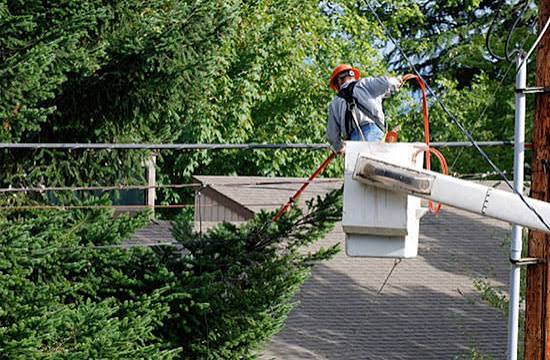
    Property owners should also recognize when professional assistance is necessary. Working at height, operating chainsaws, and removing heavy branches can be dangerous without appropriate training and equipment. Certified or qualified tree care professionals can assess the structure, identify suitable cuts, and complete difficult work safely. Their advice is particularly valuable when a tree has extensive damage or grows close to power lines.

    Proper pruning is not about removing as many branches as possible. It is about making carefully considered cuts that support the tree’s health, structure, and surroundings. With suitable timing, correct techniques, and professional help when needed, pruning can preserve the natural beauty of trees while helping them remain safer and stronger throughout their lives.

  • Untitled post 14

    Giving Young Trees the Best Start

    Planting a new tree is a simple way to improve an outdoor space, but its long-term success depends on the care it receives during the early stages of growth. Young trees are still developing their root systems, trunks, and branches, making them more sensitive to environmental stress than established specimens. Providing suitable growing conditions from the beginning can help them develop into strong, attractive features of a landscape.

    Choosing an appropriate planting location is the first important decision. Every tree species has different requirements for sunlight, soil moisture, and available space. A location that seems suitable for a small sapling may become unsuitable as the tree grows. Property owners should consider the mature height and canopy width, along with the direction of sunlight and distance from buildings, fences, driveways, and utility lines. Planning ahead can prevent future conflicts and reduce the need for excessive pruning.

    The planting process itself has a major influence on establishment. A hole should generally be wider than the root ball so that developing roots can expand into the surrounding soil. The tree should not be planted too deeply, and the root flare should remain visible near the soil surface. Soil should be returned around the roots carefully without excessive compaction. Once planting is complete, thorough watering helps settle the soil and provides moisture for the new root system.

    Watering is especially important during the first growing seasons. Young trees cannot always access moisture from deeper soil layers because their roots have not spread very far. Checking the soil regularly helps determine when additional water is needed. Slow, deep watering is generally more useful than frequent light sprinkling because it encourages moisture to reach the root zone. However, the soil should not remain constantly saturated, as poor drainage can cause root problems.

    Mulching can make the establishment period easier. A layer of organic mulch around the tree helps conserve moisture, reduce weed competition, and protect the soil from extreme temperature changes. Wood chips and shredded bark are common options for this purpose. The mulch should cover the surrounding soil without touching the trunk. Keeping this space clear helps prevent excess moisture from collecting against the bark and reduces the risk of damage.

    Young trees may also require temporary support in locations exposed to strong winds. Staking can help stabilize a newly planted tree when its root ball cannot yet provide sufficient support. However, staking should not restrict natural trunk movement, which contributes to stronger development. Supports should be checked regularly and removed once the tree can stand securely on its own. Leaving ties in place for too long can damage the trunk.

    Early pruning should focus on maintaining a healthy structure rather than creating an artificial shape. Damaged or broken branches may need attention, while competing stems can sometimes require careful management as the tree develops. Heavy pruning is generally unnecessary for a healthy young tree. Learning the natural growth habits of the species makes it easier to decide which branches should remain and which may need future attention.

    Pest monitoring is another useful habit during the establishment period. Young foliage and stems can attract insects that interfere with healthy growth. Discolored leaves, unusual holes, sticky residue, and damaged shoots may indicate pest activity or disease. Environmental conditions can create similar symptoms, so the cause should be identified before treatment begins. Maintaining suitable moisture and soil conditions can also reduce stress that makes trees more vulnerable.

    Protection from accidental damage is equally important. Lawn equipment, pets, construction materials, and foot traffic can harm young trunks and roots. Creating a small protected area around the tree can reduce the risk of injury while allowing it enough room to grow. Property owners should also avoid using heavy equipment or storing materials directly over the developing root zone.

    The first few years establish the foundation for a tree’s future health. Consistent watering, suitable planting depth, careful mulching, and regular observation can make a meaningful difference. With the right beginning and appropriate maintenance, young trees have a better opportunity to become strong landscape features that provide shade, beauty, and environmental benefits for generations.

  • Untitled post 13

    The Importance of Trees in Making Cities More Livable

    Introduction

    Cities are growing rapidly as more people move to urban areas for education, employment, and better opportunities. However, urban growth often brings challenges such as air pollution, traffic noise, rising temperatures, and limited green spaces. Trees can help address many of these problems by making cities healthier, more attractive, and more comfortable places to live. Urban trees are not simply decorative features; they are an important part of sustainable city planning.

    1. Trees Reduce Urban Heat

    Buildings, roads, and concrete surfaces absorb and retain heat, making cities warmer than surrounding rural areas. This effect is commonly known as the urban heat island effect.

    Trees help reduce this problem by providing shade and releasing water vapor through transpiration. Planting trees along streets, around buildings, and in public parks can make outdoor spaces more comfortable, particularly during hot summer months.

    2. They Improve Air Quality

    Vehicles, factories, and construction activities release pollutants into urban air. Exposure to these pollutants can negatively affect human health.

    Trees capture some airborne particles on their leaves and absorb carbon dioxide. Although trees cannot eliminate urban pollution, properly planned green spaces can contribute to cleaner surroundings and healthier communities.

    3. Trees Make Streets More Attractive

    Green streets are often more pleasant than streets surrounded entirely by concrete and buildings. Trees add natural beauty, seasonal colors, and visual variety to urban landscapes.

    Well-maintained trees can also make shopping areas, residential neighborhoods, and public spaces more welcoming. Attractive green surroundings encourage people to spend more time outdoors.

    4. They Encourage Walking and Outdoor Activities

    People are more likely to enjoy walking and exercising in places that provide shade and comfortable surroundings. Tree-lined sidewalks, parks, and green pathways can encourage healthier daily habits.

    These spaces are valuable for children, families, older adults, and people who prefer outdoor recreation. They also provide opportunities for neighbors to meet and interact.

    5. Trees Help Manage Rainwater

    Heavy rainfall can overwhelm drainage systems in cities and cause flooding. Trees help intercept rainfall through their leaves and branches, while their roots improve soil structure and water infiltration.

    Green spaces, rain gardens, and tree-covered areas can support better stormwater management. These natural solutions work best when combined with effective urban drainage infrastructure.

    6. They Reduce Noise and Create Peaceful Spaces

    Urban areas often experience noise from traffic, construction, and industrial activities. Vegetation can help reduce the perception of noise and create a more peaceful atmosphere.

    Parks and green belts provide places where residents can relax away from busy roads. A combination of trees, shrubs, and other landscaping features can improve the experience of public spaces.

    7. Urban Trees Support Wildlife

    Even small green spaces can provide important habitats for birds, butterflies, bees, and other organisms. Trees offer nesting locations, food, and shelter.

    Planting different native species helps create connected green areas that support biodiversity. These habitats allow wildlife to survive even as cities expand.

    8. Proper Urban Planning Is Essential

    Successful urban forestry requires careful planning. Tree species should be selected according to local climate, soil conditions, available space, and water requirements.

    City planners should also protect existing mature trees, provide enough space for roots, and avoid planting trees that interfere with roads or underground utilities. Regular maintenance is necessary to keep urban trees healthy and safe.

    Conclusion

    Trees make cities more livable by reducing heat, improving air quality, supporting wildlife, and creating attractive public spaces. They also encourage outdoor activities and contribute to better rainwater management. As urban populations continue to grow, protecting existing trees and expanding green spaces should become important priorities for city development. A city with healthy trees is not only more beautiful but also more comfortable and sustainable for future generations.

  • Untitled post 12

    Building a Long-Term Plan for Tree Health

    Trees are long-term investments that bring natural beauty, shade, and environmental value to residential and commercial properties. A healthy tree can improve the appearance of a landscape for decades, but its condition depends on the care it receives throughout its life. Instead of waiting until visible damage appears, property owners can benefit from developing a maintenance plan that addresses common problems before they become serious.

    The first step is creating a clear picture of the trees growing on a property. Different species have different requirements, and their maintenance needs can change as they mature. Recording basic information such as species, approximate age, planting location, and visible condition makes it easier to plan future care. It also helps identify trees that may need additional attention because they are growing near buildings, driveways, or frequently used outdoor areas.

    Regular inspections should become part of this plan. During routine checks, look at the canopy, trunk, major branches, and surrounding soil. Dead limbs, unusual bark changes, fungal growth, and sudden differences in leaf production may indicate a developing issue. Trees do not always show obvious symptoms when problems first begin, so observing gradual changes is valuable. Taking occasional photographs can help property owners compare the tree’s condition over time.

    Root protection should remain a priority throughout the tree’s life. Roots need access to oxygen, moisture, and nutrients to support healthy growth. Activities such as digging, paving, trenching, and parking heavy vehicles near established trees can disturb this environment. Before starting construction or major landscaping work, it is sensible to consider how the project may affect nearby root systems. Protecting the soil can prevent damage that might otherwise remain unnoticed for months.

    A suitable watering routine also supports long-term health. Young trees require consistent moisture as their root systems develop, while established trees generally need additional water during prolonged dry conditions. The correct amount depends on species, soil type, rainfall, and temperature. Water should be applied slowly enough to reach the root zone, and drainage should be checked to avoid keeping the soil saturated. Adjusting irrigation throughout the year is more effective than following an unchanging schedule.

    Pruning should be planned according to the tree’s structure and condition. Removing dead or damaged branches can improve safety and reduce the possibility of further deterioration. Selective pruning may also help manage branches that interfere with buildings, pathways, or utility lines. However, unnecessary cutting can remove valuable foliage and create stress. Major pruning work should be completed by qualified professionals who understand appropriate techniques for different tree species.

    Nutrient management is another consideration, although fertilizer is not automatically required for every tree. Trees growing in suitable soil may receive enough nutrients naturally. Poor growth can result from several causes, including insufficient water, root damage, pests, and unsuitable growing conditions. Applying fertilizer without understanding the problem may encourage excessive growth without addressing the underlying issue. Soil testing and professional advice can help determine whether additional nutrients are necessary.

    Pest and disease prevention should also be included in a long-term plan. Regularly examine leaves, stems, and bark for unusual spots, holes, discoloration, or signs of decay. Remove affected material when appropriate and maintain good growing conditions to reduce unnecessary stress. If a disease or infestation is suspected, accurate identification should come before treatment. Different problems require different solutions, and unnecessary chemical applications may affect beneficial organisms.

    As trees become larger, their surroundings may need to be adjusted. Branches can gradually extend toward roofs, windows, fences, and overhead utilities. Roots may also interact with nearby paving or underground infrastructure. Monitoring these changes helps property owners plan maintenance before conflicts become difficult to manage. An arborist can evaluate structural concerns and recommend practical options that preserve the tree whenever reasonably possible.

    A long-term tree care plan is built on consistency rather than frequent intervention. Keeping records, protecting roots, monitoring growth, and arranging professional inspections when needed can help maintain a healthy landscape. With responsible attention at every stage of development, trees can continue providing shade, beauty, and environmental benefits while remaining valuable features of the property.

  • Untitled post 11

    The Role of Trees in Protecting Wildlife and Natural Habitats

    Introduction

    Wildlife is an important part of the natural environment. Birds, insects, mammals, reptiles, and countless other organisms depend on healthy ecosystems for food, shelter, and survival. Unfortunately, deforestation, urban development, pollution, and climate change are destroying many natural habitats. Trees play a vital role in protecting wildlife because they provide essential resources and help maintain the balance of nature.

    1. Trees Provide Natural Shelter

    Trees offer safe places for many animals to live and reproduce. Birds build nests among their branches, squirrels find shelter in tree holes, and insects live beneath their bark.

    Different tree species provide different types of habitats. Large, mature trees are particularly valuable because they often contain spaces and structures that smaller trees cannot provide.

    2. They Provide Food for Wildlife

    Many animals depend on trees for their daily food. Fruits, seeds, flowers, leaves, and nectar provide nourishment for birds, insects, monkeys, and other wildlife.

    For example, fruit-eating birds help spread seeds to new locations. This natural process supports forest regeneration and helps maintain healthy ecosystems.

    3. Trees Support Pollinators

    Bees, butterflies, and other pollinating insects play an important role in the reproduction of many flowering plants. Trees provide nectar, pollen, and shelter for these valuable organisms.

    When communities protect flowering trees and other native vegetation, they help maintain pollinator populations. This also benefits agriculture because many crops depend on animal pollination.

    4. They Maintain the Natural Food Chain

    Every ecosystem contains a food chain in which different organisms depend on one another. Trees support this system by providing food and shelter for insects, birds, and other animals.

    Insects may become food for birds, while larger animals may depend on smaller species. Protecting trees helps maintain these relationships and prevents disruptions to natural ecosystems.

    5. Trees Help Regulate the Local Climate

    Trees provide shade and release water vapor through a process called transpiration. These natural processes can help moderate temperatures in surrounding areas.

    Cooler and more stable environmental conditions can create suitable habitats for many plants and animals. Forests also influence rainfall patterns and water cycles across larger landscapes.

    6. Forests Protect Endangered Species

    Many endangered animals depend on forests and wooded habitats for survival. When forests disappear, these species may lose their food sources, breeding areas, and safe places to live.

    Protecting existing forests and restoring damaged habitats can help prevent further wildlife population declines. Conservation programs should prioritize areas that support threatened species.

    7. Native Trees Are Important for Local Wildlife

    Native trees have developed alongside local plants and animals over long periods. As a result, they often provide food and shelter that are particularly suitable for local wildlife.

    Planting a variety of native species can support more organisms than planting only one type of tree. Biodiversity makes ecosystems more balanced and resilient.

    8. Communities Can Help Protect Natural Habitats

    People can contribute to wildlife conservation by avoiding unnecessary tree cutting, supporting forest protection programs, and planting suitable native species.

    Communities should also protect green spaces, avoid disturbing nesting areas, and reduce pollution. Educational programs can encourage young people to understand the relationship between trees and wildlife.

    Conclusion

    Trees are essential for protecting wildlife and maintaining natural habitats. They provide food, shelter, breeding spaces, and suitable environmental conditions for countless species. They also support pollinators, maintain food chains, and protect biodiversity. By conserving forests, planting native trees, and reducing habitat destruction, we can help wildlife survive and preserve the natural balance of our planet for future generations.

  • Untitled post 10

    Keeping Outdoor Trees Safe and Beautiful

    Trees are an essential part of an attractive outdoor environment. They provide shade, soften the appearance of buildings, create natural privacy, and support birds and other wildlife. However, maintaining a beautiful landscape requires more than planting trees and allowing them to grow without attention. Regular care helps preserve their structure, identify potential hazards, and support healthy development over time.

    A successful tree maintenance routine begins with regular observation. Property owners should pay attention to changes in leaf color, branch growth, bark condition, and the overall shape of each tree. A thinning canopy, unusual spots on leaves, or branches that begin dying unexpectedly may indicate an underlying problem. These symptoms do not always mean a tree is seriously damaged, but they deserve attention before the condition becomes more difficult to manage.

    The condition of the root system is particularly important because roots provide stability and absorb the water and nutrients needed for growth. Although roots are mostly hidden underground, their environment can be affected by everyday landscaping activities. Repeated vehicle movement, construction work, excessive digging, and compacted soil can interfere with root development. Keeping heavy equipment away from the root zone and avoiding unnecessary soil disturbance can help protect established trees.

    Watering should be adjusted to the needs of individual trees rather than following the same routine for every plant. Young trees generally need more frequent watering while their roots become established. Older trees may require additional moisture during extended dry periods, especially when growing in areas with limited soil space. Slow watering around the root zone helps moisture penetrate deeper into the ground. At the same time, proper drainage is necessary because waterlogged soil can damage roots.

    Pruning is another important part of maintaining safe and attractive trees. Removing dead, broken, or diseased branches can improve the tree’s condition and reduce certain hazards. Selective cutting may also prevent branches from interfering with roofs, fences, pathways, and neighboring trees. However, excessive pruning can weaken a tree and affect its natural shape. Each cut should have a clear purpose, and large or difficult branches should be handled by trained professionals.

    Mulching can improve growing conditions while giving the surrounding landscape a neat appearance. Organic materials such as wood chips and shredded bark help retain soil moisture, reduce weed competition, and protect roots from temperature changes. As mulch breaks down, it can also contribute organic matter to the soil. Applying too much mulch or piling it against the trunk should be avoided because excessive moisture near the bark may create additional problems.

    Pest and disease management requires regular attention throughout the growing season. Some insects damage foliage, while others feed beneath the bark or weaken branches. Fungal diseases may cause spots, decay, and gradual decline. Checking leaves, stems, and the trunk can reveal early warning signs. When symptoms appear, identifying the actual cause is important because environmental stress, insects, and diseases may produce similar visible changes.

    Severe weather can place additional pressure on trees. Strong winds may break weak branches, while heavy snow and ice can increase the weight carried by the canopy. Trees growing close to homes, garages, and frequently used outdoor areas should receive particular attention. Inspecting them after storms helps identify hanging limbs, trunk damage, and other concerns. Anyone dealing with unstable trees or large damaged branches should seek professional assistance rather than attempting dangerous work.

    Professional tree maintenance can also help property owners make informed decisions about long-term landscape planning. An arborist can assess tree health, identify structural weaknesses, recommend suitable pruning, and explain whether a particular tree needs treatment or monitoring. This guidance is especially valuable for mature trees because unnecessary cutting or incorrect treatment can cause lasting damage.

    A well-maintained landscape develops through consistent attention and sensible decisions. By protecting roots, managing water, pruning carefully, and responding to signs of damage, property owners can keep their trees healthier and their surroundings safer. Responsible maintenance preserves the natural beauty of outdoor spaces while allowing trees to provide shade, character, and environmental benefits for many years.

  • Untitled post 9

    The Importance of Trees in Preventing Desertification

    Introduction

    Desertification is a serious environmental problem that affects dry and semi-dry regions around the world. It occurs when productive land gradually becomes degraded and loses its ability to support healthy vegetation and agriculture. Deforestation, excessive grazing, poor farming practices, drought, and climate change can all contribute to this problem. Trees play an important role in protecting land from degradation and maintaining healthy ecosystems.

    1. Trees Protect the Soil

    Healthy soil is necessary for growing crops and supporting natural vegetation. Without sufficient plant cover, wind and rainfall can carry away the fertile top layer of soil.

    Tree roots hold the soil together and help prevent erosion. Their branches and leaves also reduce the impact of rainfall and slow down strong winds. This protection helps maintain soil quality and prevents valuable agricultural land from becoming degraded.

    2. They Reduce the Effects of Strong Winds

    In dry regions, strong winds can carry large amounts of loose sand and dust from exposed land. This process can damage crops, cover roads, and create unhealthy living conditions.

    Trees planted in rows can act as windbreaks. They reduce wind speed and help stabilize the soil, making surrounding areas more suitable for farming and vegetation.

    3. Trees Help Conserve Soil Moisture

    High temperatures and direct sunlight can increase water loss from exposed soil. Trees provide shade that can reduce soil temperatures and slow evaporation in suitable conditions.

    Fallen leaves also form a natural layer of organic material on the ground. This layer can help protect soil moisture and improve its structure as it decomposes.

    4. They Support Biodiversity in Dry Areas

    Desertification often reduces the number of plants and animals that can survive in an area. Trees provide food and shelter for birds, insects, and other wildlife.

    By protecting and restoring native vegetation, communities can create better habitats and support biodiversity. A healthy ecosystem is generally more resilient to environmental pressures.

    5. Trees Improve Water Management

    Tree roots can help improve soil structure and water infiltration. This allows rainfall to enter the ground more effectively in suitable landscapes instead of flowing away quickly.

    Trees also help protect riverbanks and other vulnerable areas from erosion. When combined with responsible water management, tree restoration can contribute to healthier landscapes.

    6. Native Trees Are Especially Valuable

    Native tree species are often better adapted to local temperatures, rainfall patterns, and soil conditions. They can provide suitable habitats for local wildlife and may require less maintenance once established.

    In dry regions, selecting drought-tolerant native species is particularly important. Planting unsuitable species can waste limited water resources and reduce the success of restoration projects.

    7. Sustainable Farming Can Reduce Land Degradation

    Farmers can protect agricultural land by combining trees with crops and livestock through agroforestry. Trees planted along field boundaries can reduce wind erosion, while suitable fruit and shade trees can provide additional benefits.

    Other helpful practices include crop rotation, controlled grazing, mulching, and efficient irrigation. Together, these methods can improve soil health and reduce pressure on fragile land.

    8. Everyone Has a Role in Preventing Desertification

    Governments can support forest restoration, protect natural vegetation, and encourage sustainable agricultural practices. Farmers can adopt land-management techniques that conserve soil and water.

    Schools and community organizations can raise awareness and organize local plantation programs. Individuals can also help by protecting existing trees and caring for newly planted seedlings.

    Conclusion

    Trees are valuable natural resources in the fight against desertification. They protect soil from erosion, reduce wind damage, support wildlife, conserve moisture, and contribute to healthier landscapes. However, planting trees alone cannot solve land degradation. Long-term success requires suitable native species, responsible land management, and continuous community participation. By protecting trees and restoring damaged ecosystems, we can preserve productive land for future generations.

  • Untitled post 8

    Improving Tree Health With Better Maintenance

    Healthy trees contribute more than visual appeal to a property. They provide natural shade, create privacy, support wildlife, and help make outdoor areas more comfortable. However, trees can gradually lose their strength when their growing conditions are poor or maintenance is neglected. A practical care routine helps identify problems early and gives trees a better opportunity to develop naturally.

    One important part of tree maintenance is understanding how environmental conditions affect growth. Soil quality, sunlight, available water, and surrounding vegetation all influence a tree’s health. A species that thrives in an open garden may struggle when planted in a narrow space surrounded by buildings. Before introducing new trees, property owners should consider mature height, canopy width, root development, and the amount of sunlight available throughout the day.

    Proper planting creates the foundation for healthy development. The planting area should provide enough room for roots to spread into the surrounding soil. Planting too deeply can cause problems around the trunk, while compacted soil may restrict root expansion. After placing the tree, the surrounding soil should be filled carefully and watered thoroughly. Giving young trees suitable support during their establishment period can make a significant difference to their long-term growth.

    Watering practices should change according to the tree’s age and local weather conditions. Newly planted trees usually need more frequent attention because their roots have not yet developed fully. Established trees may tolerate ordinary periods without additional irrigation, but prolonged drought can still affect their condition. Watering slowly and deeply encourages moisture to reach the root zone. Checking soil moisture before watering also helps prevent unnecessary irrigation.

    Soil protection is equally valuable. Repeated foot traffic, construction equipment, and vehicle movement can compact the ground around trees. Compaction reduces the movement of air and water through the soil, making it harder for roots to function effectively. A suitable layer of organic mulch can help protect the surface, retain moisture, and reduce weed competition. It should be spread evenly around the tree while leaving space between the mulch and trunk.

    Pruning supports healthy structure when it is performed with a clear purpose. Dead, damaged, and diseased branches may need to be removed to improve safety and reduce the spread of certain problems. Branches that rub against one another or interfere with nearby structures may also require attention. However, excessive pruning can remove too much foliage and weaken the tree. The amount and timing of pruning should be determined by the species and its individual condition.

    Another important responsibility is monitoring for insects and diseases. Small changes in foliage, bark, and branch growth may reveal developing problems. Leaves that develop unusual spots, branches that die back unexpectedly, or bark that shows unexplained damage should be examined. Some pests feed on leaves, while others affect the trunk or internal wood. Identifying the cause correctly allows property owners to choose suitable management rather than relying on unnecessary chemical treatments.

    Trees located near buildings and outdoor facilities need additional attention. Branches growing over roofs, walkways, parking spaces, and utility lines can create maintenance and safety concerns. Large trees should be inspected for structural weaknesses, especially after strong winds or heavy storms. Signs such as major trunk cracks, hanging branches, and movement around the root area should be evaluated by qualified professionals.

    Professional tree care can be useful when maintenance involves large branches, disease concerns, or potentially unstable trees. Arborists have the experience to assess tree structure and recommend appropriate solutions. Depending on the condition, these may include selective pruning, soil improvements, pest management, or continued monitoring. Removing a tree should be considered carefully because healthy mature trees provide benefits that cannot be replaced immediately.

    Better tree health comes from consistent and responsible maintenance. By selecting suitable planting locations, protecting the root zone, managing water carefully, and responding to warning signs, property owners can support stronger trees. These practical steps help preserve the beauty, safety, and environmental value of a landscape for years to come.

  • Untitled post 6

    The Importance of Community Participation in Tree Plantation

    Introduction

    Trees are essential for maintaining a healthy environment. They provide oxygen, absorb carbon dioxide, reduce heat, protect soil, and create habitats for wildlife. However, protecting the environment cannot be the responsibility of governments alone. Individuals and communities must also participate in environmental activities. Community tree plantation programs are an effective way to bring people together and create greener, cleaner, and healthier neighborhoods.

    1. Communities Create Greener Neighborhoods

    Tree plantation can transform streets, parks, schools, and empty spaces into attractive green areas. Trees provide shade and make outdoor environments more comfortable, especially during hot weather.

    When residents work together to plant trees, they improve the appearance of their surroundings and encourage others to appreciate nature.

    2. Tree Plantation Encourages Environmental Awareness

    Community plantation activities help people understand the importance of protecting natural resources. Participants learn how trees improve air quality, support wildlife, and contribute to climate protection.

    These activities also encourage environmentally responsible habits, such as reducing waste, saving water, and avoiding unnecessary tree cutting.

    3. Schools Can Inspire Young Environmental Leaders

    Schools play an important role in teaching students about environmental responsibility. Teachers can organize plantation days, gardening activities, and environmental awareness competitions.

    When students plant and care for trees, they develop a stronger connection with nature. These experiences can encourage them to protect the environment throughout their lives.

    4. Local Participation Improves Tree Survival

    Planting a large number of trees is not enough if they are not properly maintained. Young trees need water, suitable soil, protection from animals, and regular monitoring.

    Community members can divide responsibilities for watering and caring for newly planted trees. This shared approach increases the chances that young plants will survive and grow into healthy trees.

    5. Trees Improve Public Health

    Green spaces encourage walking, exercise, and outdoor recreation. They also provide shade and can help reduce exposure to some airborne particles.

    Parks and roadside plantations create more pleasant places for families, children, and older residents. A greener neighborhood can contribute to both physical comfort and emotional well-being.

    6. Community Projects Strengthen Social Relationships

    Tree plantation programs bring together people from different backgrounds and age groups. Neighbors, students, teachers, business owners, and local organizations can work toward a common environmental goal.

    These shared activities build cooperation and strengthen relationships. They also demonstrate how small contributions from many individuals can produce meaningful results.

    7. Local Governments Should Support Plantation Efforts

    Local authorities can make community projects more successful by providing suitable seedlings, identifying appropriate planting locations, and offering maintenance guidance.

    They should also protect existing trees and ensure that plantation programs use species suited to local soil and climate conditions. Proper planning is important because unsuitable trees may struggle to survive or cause problems for nearby infrastructure.

    8. Technology Can Help Monitor Tree Growth

    Modern technology can make environmental projects more organized. Communities can use digital maps, photographs, and simple online records to track planted trees.

    Recording planting dates, tree species, and maintenance activities helps organizers understand which trees are growing successfully and which require additional care.

    Conclusion

    Community participation is essential for successful tree plantation and environmental protection. When residents, schools, organizations, and local governments work together, they can create greener neighborhoods and develop a lasting culture of environmental responsibility. Planting a tree is a valuable beginning, but caring for it until it becomes mature is the real achievement. Every community can contribute to a healthier future by protecting trees and encouraging others to do the same.