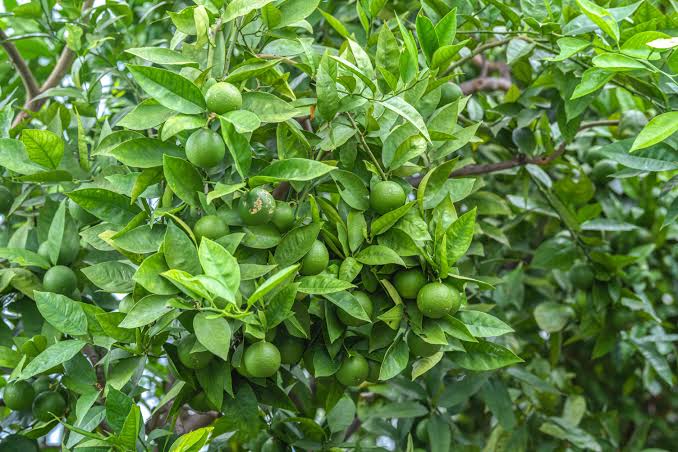
Keeping Outdoor Trees Safe and Beautiful
Trees are an essential part of an attractive outdoor environment. They provide shade, soften the appearance of buildings, create natural privacy, and support birds and other wildlife. However, maintaining a beautiful landscape requires more than planting trees and allowing them to grow without attention. Regular care helps preserve their structure, identify potential hazards, and support healthy development over time.
A successful tree maintenance routine begins with regular observation. Property owners should pay attention to changes in leaf color, branch growth, bark condition, and the overall shape of each tree. A thinning canopy, unusual spots on leaves, or branches that begin dying unexpectedly may indicate an underlying problem. These symptoms do not always mean a tree is seriously damaged, but they deserve attention before the condition becomes more difficult to manage.
The condition of the root system is particularly important because roots provide stability and absorb the water and nutrients needed for growth. Although roots are mostly hidden underground, their environment can be affected by everyday landscaping activities. Repeated vehicle movement, construction work, excessive digging, and compacted soil can interfere with root development. Keeping heavy equipment away from the root zone and avoiding unnecessary soil disturbance can help protect established trees.
Watering should be adjusted to the needs of individual trees rather than following the same routine for every plant. Young trees generally need more frequent watering while their roots become established. Older trees may require additional moisture during extended dry periods, especially when growing in areas with limited soil space. Slow watering around the root zone helps moisture penetrate deeper into the ground. At the same time, proper drainage is necessary because waterlogged soil can damage roots.
Pruning is another important part of maintaining safe and attractive trees. Removing dead, broken, or diseased branches can improve the tree’s condition and reduce certain hazards. Selective cutting may also prevent branches from interfering with roofs, fences, pathways, and neighboring trees. However, excessive pruning can weaken a tree and affect its natural shape. Each cut should have a clear purpose, and large or difficult branches should be handled by trained professionals.
Mulching can improve growing conditions while giving the surrounding landscape a neat appearance. Organic materials such as wood chips and shredded bark help retain soil moisture, reduce weed competition, and protect roots from temperature changes. As mulch breaks down, it can also contribute organic matter to the soil. Applying too much mulch or piling it against the trunk should be avoided because excessive moisture near the bark may create additional problems.
Pest and disease management requires regular attention throughout the growing season. Some insects damage foliage, while others feed beneath the bark or weaken branches. Fungal diseases may cause spots, decay, and gradual decline. Checking leaves, stems, and the trunk can reveal early warning signs. When symptoms appear, identifying the actual cause is important because environmental stress, insects, and diseases may produce similar visible changes.
Severe weather can place additional pressure on trees. Strong winds may break weak branches, while heavy snow and ice can increase the weight carried by the canopy. Trees growing close to homes, garages, and frequently used outdoor areas should receive particular attention. Inspecting them after storms helps identify hanging limbs, trunk damage, and other concerns. Anyone dealing with unstable trees or large damaged branches should seek professional assistance rather than attempting dangerous work.
Professional tree maintenance can also help property owners make informed decisions about long-term landscape planning. An arborist can assess tree health, identify structural weaknesses, recommend suitable pruning, and explain whether a particular tree needs treatment or monitoring. This guidance is especially valuable for mature trees because unnecessary cutting or incorrect treatment can cause lasting damage.
A well-maintained landscape develops through consistent attention and sensible decisions. By protecting roots, managing water, pruning carefully, and responding to signs of damage, property owners can keep their trees healthier and their surroundings safer. Responsible maintenance preserves the natural beauty of outdoor spaces while allowing trees to provide shade, character, and environmental benefits for many years.
Leave a Reply