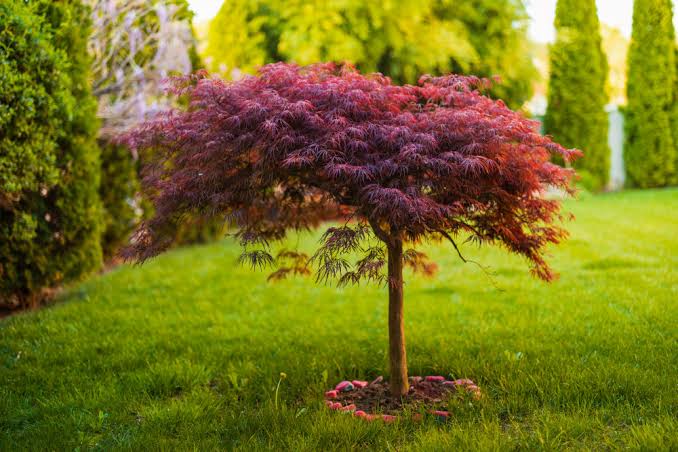
The Importance of Trees in Preventing Desertification
Introduction
Desertification is a serious environmental problem that affects dry and semi-dry regions around the world. It occurs when productive land gradually becomes degraded and loses its ability to support healthy vegetation and agriculture. Deforestation, excessive grazing, poor farming practices, drought, and climate change can all contribute to this problem. Trees play an important role in protecting land from degradation and maintaining healthy ecosystems.
1. Trees Protect the Soil
Healthy soil is necessary for growing crops and supporting natural vegetation. Without sufficient plant cover, wind and rainfall can carry away the fertile top layer of soil.
Tree roots hold the soil together and help prevent erosion. Their branches and leaves also reduce the impact of rainfall and slow down strong winds. This protection helps maintain soil quality and prevents valuable agricultural land from becoming degraded.
2. They Reduce the Effects of Strong Winds
In dry regions, strong winds can carry large amounts of loose sand and dust from exposed land. This process can damage crops, cover roads, and create unhealthy living conditions.
Trees planted in rows can act as windbreaks. They reduce wind speed and help stabilize the soil, making surrounding areas more suitable for farming and vegetation.
3. Trees Help Conserve Soil Moisture
High temperatures and direct sunlight can increase water loss from exposed soil. Trees provide shade that can reduce soil temperatures and slow evaporation in suitable conditions.
Fallen leaves also form a natural layer of organic material on the ground. This layer can help protect soil moisture and improve its structure as it decomposes.
4. They Support Biodiversity in Dry Areas
Desertification often reduces the number of plants and animals that can survive in an area. Trees provide food and shelter for birds, insects, and other wildlife.
By protecting and restoring native vegetation, communities can create better habitats and support biodiversity. A healthy ecosystem is generally more resilient to environmental pressures.
5. Trees Improve Water Management
Tree roots can help improve soil structure and water infiltration. This allows rainfall to enter the ground more effectively in suitable landscapes instead of flowing away quickly.
Trees also help protect riverbanks and other vulnerable areas from erosion. When combined with responsible water management, tree restoration can contribute to healthier landscapes.
6. Native Trees Are Especially Valuable
Native tree species are often better adapted to local temperatures, rainfall patterns, and soil conditions. They can provide suitable habitats for local wildlife and may require less maintenance once established.
In dry regions, selecting drought-tolerant native species is particularly important. Planting unsuitable species can waste limited water resources and reduce the success of restoration projects.
7. Sustainable Farming Can Reduce Land Degradation
Farmers can protect agricultural land by combining trees with crops and livestock through agroforestry. Trees planted along field boundaries can reduce wind erosion, while suitable fruit and shade trees can provide additional benefits.
Other helpful practices include crop rotation, controlled grazing, mulching, and efficient irrigation. Together, these methods can improve soil health and reduce pressure on fragile land.
8. Everyone Has a Role in Preventing Desertification
Governments can support forest restoration, protect natural vegetation, and encourage sustainable agricultural practices. Farmers can adopt land-management techniques that conserve soil and water.
Schools and community organizations can raise awareness and organize local plantation programs. Individuals can also help by protecting existing trees and caring for newly planted seedlings.
Conclusion
Trees are valuable natural resources in the fight against desertification. They protect soil from erosion, reduce wind damage, support wildlife, conserve moisture, and contribute to healthier landscapes. However, planting trees alone cannot solve land degradation. Long-term success requires suitable native species, responsible land management, and continuous community participation. By protecting trees and restoring damaged ecosystems, we can preserve productive land for future generations.
Leave a Reply